

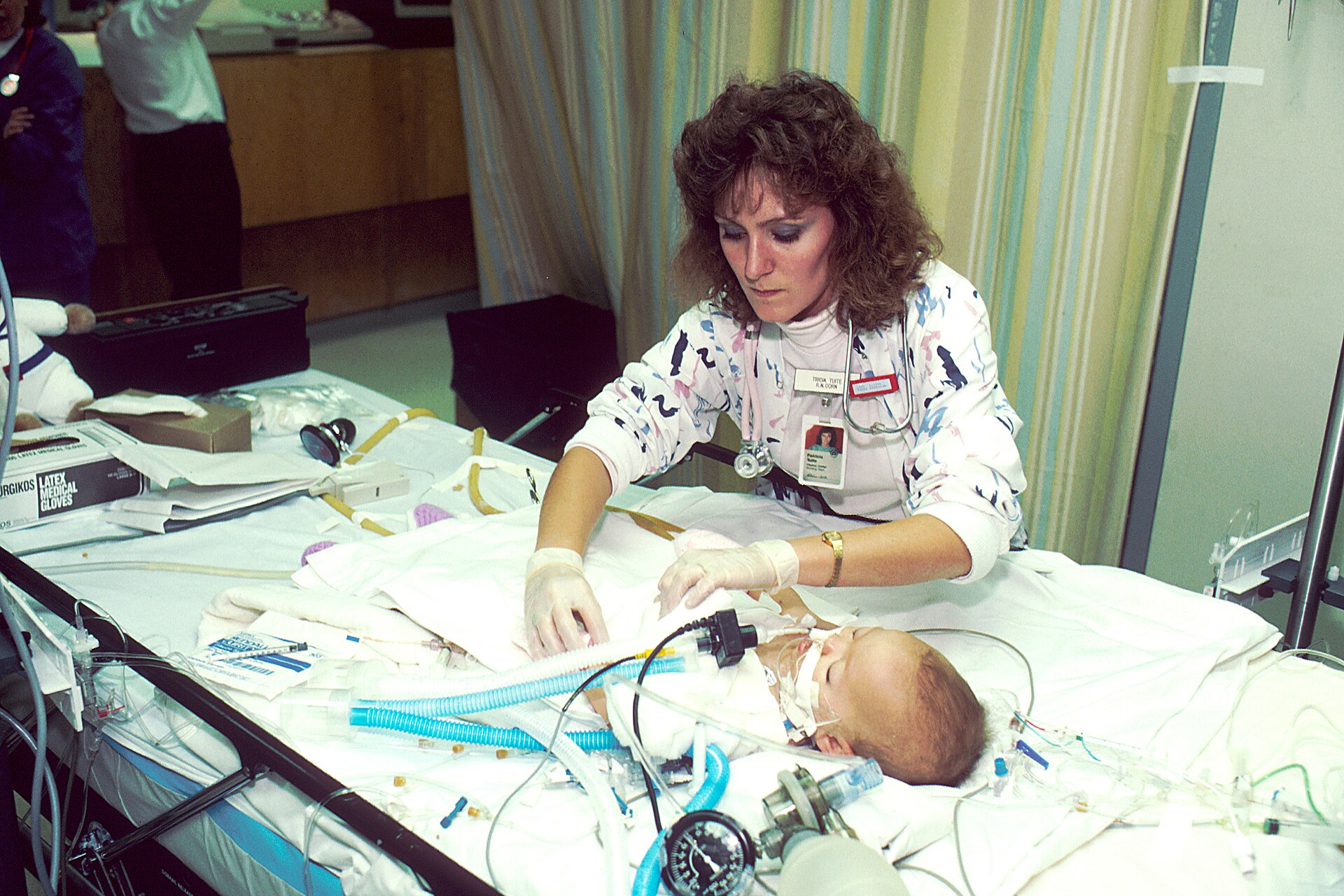
South Africa does not have a shortage of sick people. It has a chronic shortage of nurses to care for them — which makes professional nursing one of the most employable qualifications in the country, and one of the hardest jobs you will ever love.
Here is what the work actually involves, which school subjects get you in, and how the career progresses from first-year student to specialist.
What a Professional Nurse Actually Does
A professional nurse (the title is protected by law) assesses patients, administers medication and treatment, monitors vitals, manages wounds, coordinates care between doctors and families, and takes responsibility for a ward or clinic shift.
The day is physical and emotional. You will be on your feet for twelve hours, you will make judgement calls with incomplete information, and you will carry other people’s worst days. You will also be the person a frightened patient remembers for the rest of their life.
The Subjects That Get You In
To register for a Bachelor of Nursing (BCur) at a university, you generally need an NSC with:
• Life Sciences — non-negotiable for most programmes.
• Mathematics or Mathematical Literacy — universities differ; the stronger programmes require Mathematics.
• Physical Sciences — required by some universities, an advantage at all of them.
• English — you need to write clinical notes and speak to patients clearly.
• A fourth and fifth subject from the recognised list, plus Life Orientation.
Typical entry is an APS of 26 to 32, depending on the institution. Nursing is oversubscribed, so meeting the minimum is rarely enough — aim well above it.
The Three Routes Into Nursing
1. BCur at a university — four years, degree-level, the route to specialisation, management and teaching. Offered at universities such as Wits, Pretoria, UJ, Free State, Walter Sisulu and others.
2. Diploma in Nursing at a nursing college — three years, hospital-based, practical and fast. Public colleges are heavily subsidised and often come with a bursary and a job obligation.
3. Auxiliary and enrolled routes — a one-year Higher Certificate (auxiliary nurse) or two-year enrolled nurse programme. A practical entry point that lets you earn while you upgrade to professional registration later.
All routes end at the South African Nursing Council (SANC), which registers you and controls the title.
What You Earn
Public sector salaries are published in the Occupation Specific Dispensation (OSD). A newly qualified professional nurse starts around R30 000 to R35 000 a month, a senior or specialist nurse R45 000 to R60 000, and nursing managers and specialists such as theatre or ICU nurses earn more with experience and shift allowances.
Private hospitals pay competitively for scarce specialities, and nursing agencies offer premium rates for shifts — at the cost of stability.
The Honest Downsides
Shift work. Nights, weekends and public holidays are part of the deal. Staff shortages mean you will often work a ward built for four nurses with two. Emotional load is real, and burnout is a genuine occupational risk.
The honest upside: the work is recession-proof, geographically portable, and there is a global market for South African nurses — the UK, Ireland, Canada, Saudi Arabia and Australia all recruit here.
Is It For You?
Ask yourself three questions. Can you stay calm while someone else panics? Can you do physical work for twelve hours and still be kind at hour eleven? Can you handle blood, grief and difficult families without becoming hard?
If the answer is yes to all three, you will never struggle for work.
Next Steps for a Grade 9 to 11 Learner
Take Life Sciences and Mathematics, keep your average above 65%, and volunteer at a clinic or old-age home to test whether you actually enjoy caring for people. Apply to both a university and a public nursing college — the college route is often the more financially sensible one.
Views: 0

The SA Career Guide editorial team provides practical, no-nonsense career advice for South African job seekers, students, and professionals. We break down complex career decisions into actionable steps that actually work in the local job market.


